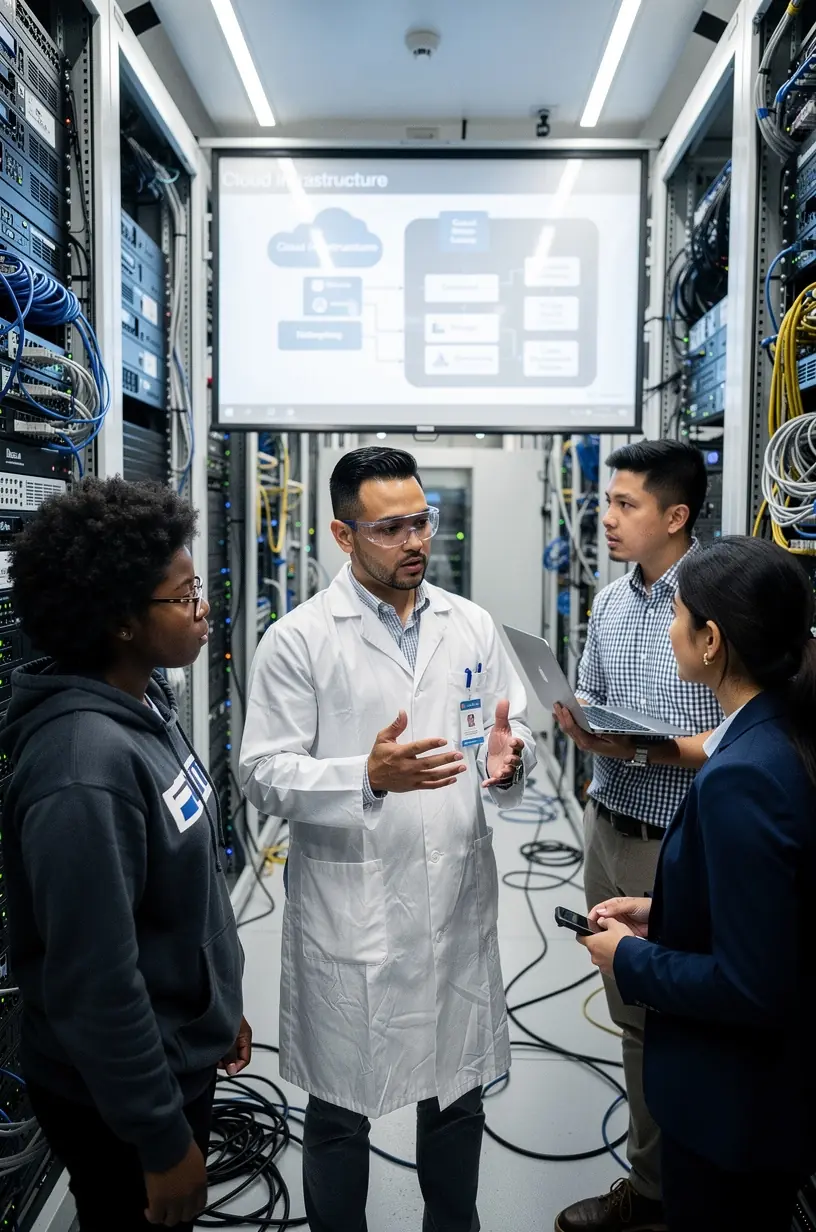
Adapting Legacy Systems for Cloud Environments
As organizations increasingly migrate to the cloud, adapting legacy systems becomes a critical challenge. This article provides insights into the process of transitioning legacy applications to cloud environments, discussing methodologies, best practices, and potential pitfalls.
Understanding the Challenges of Legacy Systems
Legacy systems often pose significant challenges for organizations looking to adopt cloud technologies. According to industry experts, these systems can be inflexible, costly to maintain, and lack the necessary scalability that cloud environments offer. Common issues include:

- Integration difficulties: Legacy systems may not easily integrate with modern cloud applications, requiring additional middleware or custom solutions.
- Data migration challenges: Transferring data from legacy databases to cloud databases can be complex and time-consuming.
- Compliance and security concerns: Many legacy systems were not designed with current security standards in mind, making them vulnerable in cloud environments.
Strategies for Successful Adaptation
To effectively adapt legacy systems for cloud environments, organizations can employ several strategies:
- Assessment and Planning: Start with a comprehensive assessment of existing legacy systems. This should include an inventory of applications, understanding business processes, and identifying dependencies.
- Incremental Migration: Rather than a complete overhaul, consider an incremental approach. Migrating components of the legacy system in stages can reduce risk and minimize disruption.
- Utilize Modernization Tools: Various tools and platforms can assist in migrating legacy applications to the cloud. For instance, platforms like AWS Migration Hub or Azure Migrate can streamline this process.
"A phased migration approach often results in better outcomes, allowing organizations to adapt and learn as they transition." - IT Migration Expert
Best Practices to Consider
When adapting legacy systems, adhering to industry best practices can significantly enhance the likelihood of a successful migration:
- Document Everything: Maintain thorough documentation throughout the migration process to ensure clarity and facilitate future upgrades.
- Engage Stakeholders: Involve relevant stakeholders from both IT and business units to create a comprehensive migration strategy.
- Test Rigorously: Conduct extensive testing in a staging environment before full deployment to identify potential issues beforehand.
Conclusion
Adapting legacy systems for cloud environments is rarely straightforward, but understanding the challenges and employing strategic methodologies can lead to successful outcomes. Organizations are encouraged to take a measured approach, utilizing the right tools and practices tailored to their specific needs. Research indicates that organizations that effectively transition their legacy systems to the cloud can enhance operational efficiency and reduce costs in the long run.
Learn More